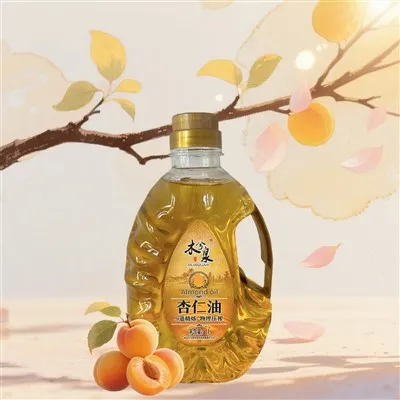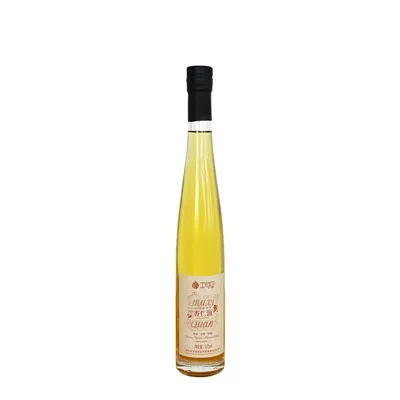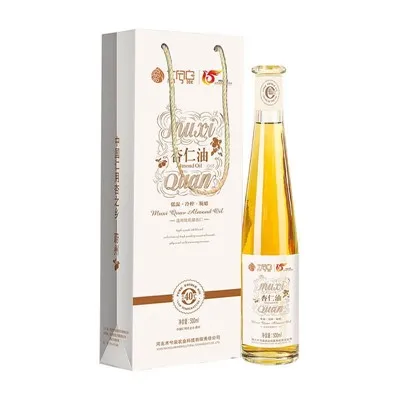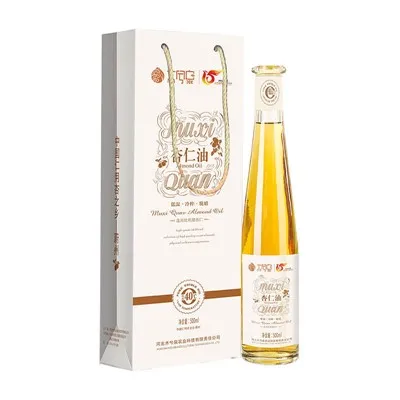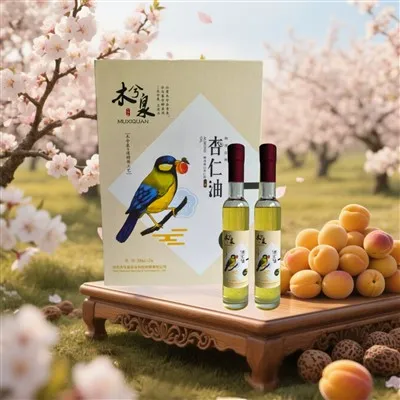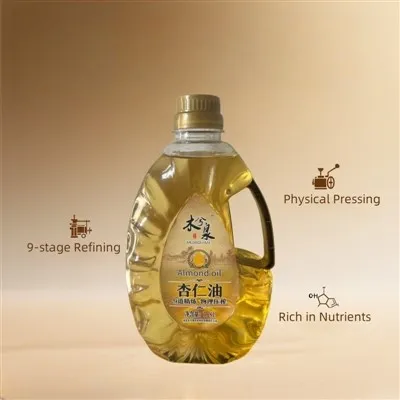
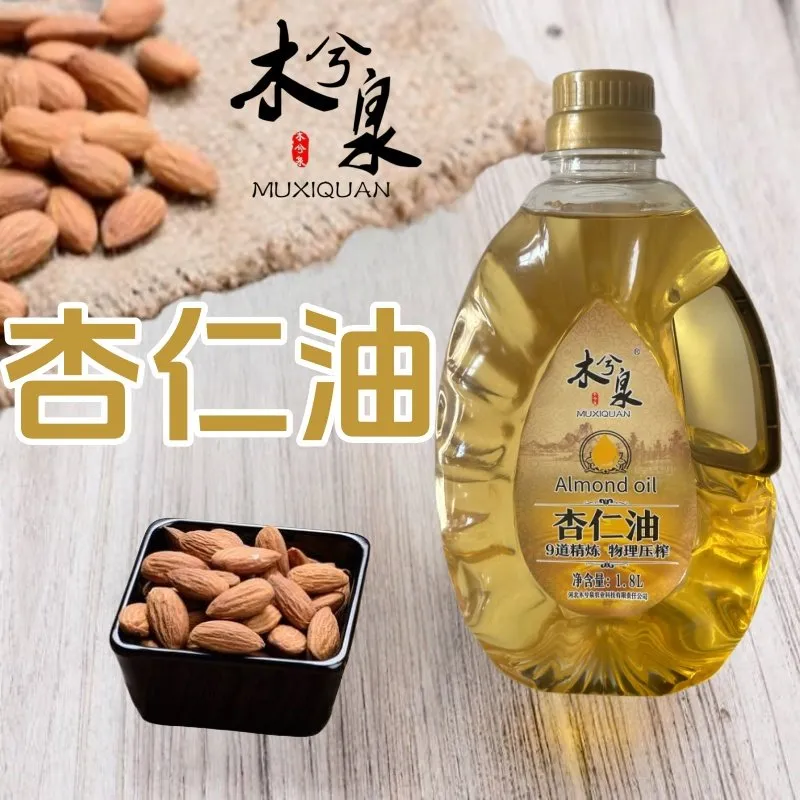


The Almond Seed Oil is a natural oil extracted from the seeds (kernels) of almonds. It is highly regarded for its high nutritional value, mild flavor, and culinary uses.
Key Ingredients
Fatty acids: Rich in monounsaturated fatty acids (mainly oleic acid, 55–80%), followed by polyunsaturated fatty acids (linoleic acid, 15–30%), with relatively low levels of saturated fatty acids (such as palmitic acid).
Vitamins: Contains vitamin E (tocopherol, a natural antioxidant), vitamin A (a retinol derivative), and small amounts of B vitamins (such as riboflavin/B2).
Minerals: Includes zinc, magnesium, calcium, potassium, and others.
Other active compounds: Phytosterols (nourishing and anti-inflammatory), squalene (moisturizing), and polyphenols (antioxidant).
Features
High Nutritional Value
The Seed Oil are rich in monounsaturated fatty acids, vitamin E, and natural antioxidants.
Superior Purity
We extract from premium sweet almonds using cold-pressing or refined food-grade processes. They are food-grade certified, ensuring safety and compliance with international standards.
Versatile Uses
Our products are suitable for cooking: salad dressings, baking, and light frying. They can also be added to functional foods, health supplements, or premium packaged oils.
Customized Packaging
Bottle & Cap Design: Custom shapes, colors, and sizes to match your brand identity.
Label Printing: Full-color labels or shrink sleeves featuring your logo, nutrition facts, and brand design.
Private Label / OEM: Flexible minimum order quantities for both small and large-scale orders.
Special Packaging: Gift packs or promotional packaging for marketing campaigns and premium positioning.
Our Factory
Hebei Muxiquan Agricultural Technology has established a sensory science system for edible oils at its 20,000-square-meter national high-tech enterprise base in Weixian County. Its patented flavor mapping technology precisely controls the aroma and clarity of sesame, flaxseed, almond, and peanut oils.





FAQ
Q: What is the difference between sweet almond oil and bitter almond oil? Which one is safer?
A: Sweet almond oil is extracted from edible sweet almonds. It is safe, non-toxic, and widely used in food, skincare, and aromatherapy. Bitter almond oil comes from bitter almonds, which contain cyanogenic glycosides that can release highly toxic hydrocyanic acid. Without professional detoxification, it is extremely toxic and must not be used orally or applied directly to the skin. This website only discusses sweet almond oil.
Q: Which should I choose: cold-pressed unrefined or refined almond oil?
A: For skincare, hair care, massage, or aromatherapy: Cold-pressed unrefined almond oil is ideal. It retains most natural nutrients, antioxidants, and active compounds, providing the best effects.For high-temperature cooking (frying, stir-frying, deep-frying): Choose refined almond oil. It has a higher smoke point (around 215–220°C / 420–430°F), resists smoking, avoids harmful substances, and has a neutral flavor that won't affect your dish. For low-temperature cooking, salads, dips, or seasonings: Cold-pressed unrefined almond oil can add a natural nutty flavor and extra nutrition.
Q: Will almond oil clog pores? What skin types is it suitable for?
A: Almond oil is lightweight and non-comedogenic (comedogenic rating: 2 – low to moderate), so it usually does not clog pores. It is suitable for dry, normal, and sensitive skin, providing effective moisturization and soothing effects. Oily skin can also benefit, but it's best to apply small amounts or focus on drier areas, and monitor for any discomfort.
Hot Tags: almond seed oil, China almond seed oil manufacturers, suppliers, factory, almond virgin oil, Refined Almond Oil, oki cooking oil, 100 Percent Pure Almond Oil, cooking oil can, organic groundnut oil price